
monthly guide
January Visitor & Travel Guide to Essex
January Weather in Essex: What to Expect
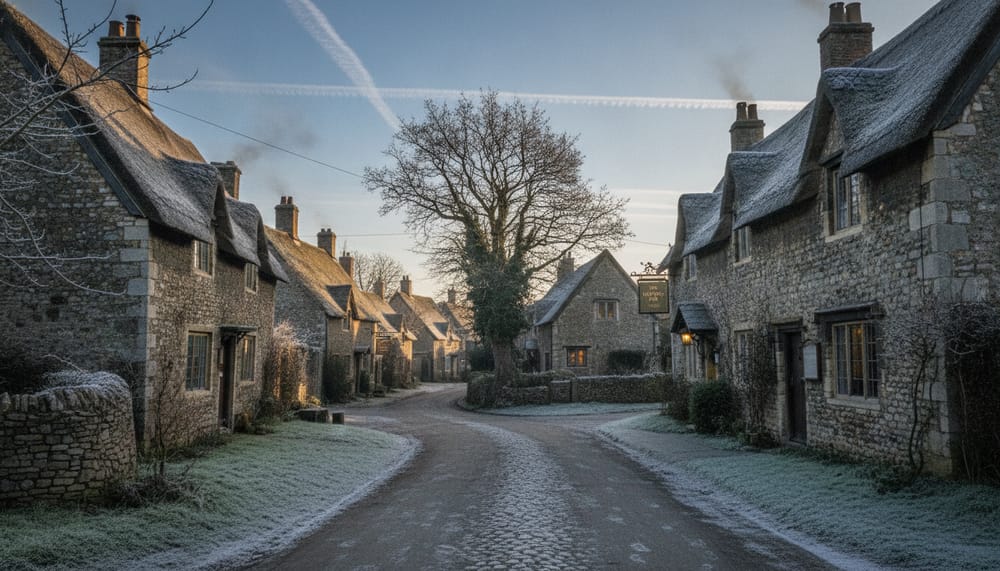
Visiting Essex in January means experiencing the county at its quietest and most atmospheric. While the summer crowds have long vanished, the county’s vast skies, winding estuaries, and ancient woodlands take on a serene, sculpted beauty.
- Average Daytime Highs: 7°C to 8°C
- Average Night-time Lows: 2°C to 3°C, with frequent morning frosts and inland ground freezes
- Daylight: Roughly 8 hours of light per day, with sunrise around 08:00 and sunset setting in around 16:00 to 16:30
- Conditions: Crisp blue-sky days are common, but visitors should prepare for biting easterly winds along the 350-mile coastline, occasional coastal mist, and the odd winter shower.
Dress in windproof layers, pack thermal accessories, and ensure you bring waterproof walking boots or wellies, as rural trails can become notoriously muddy due to the heavy Essex clay.
---
Top Seasonal Highlights & Winter Rambles
1. Mersea Island & Colchester Native Oysters
There is no better time to appreciate Mersea Island than in midwinter. The island is world-renowned for its Colchester Native oysters, which are at their peak flavour during months containing an 'r'. Take an invigorating stroll past the pastel-hued beach huts at West Mersea, watching sailing boats bob in the chilly estuary waters, before ducking into an oyster shed or seafood shack—such as The Company Shed or West Mersea Oyster Bar—for fresh seafood and steaming chowder.2. Constable Country: Dedham Vale
Straddling the Essex-Suffolk border, the Dedham Vale Area of Outstanding Natural Beauty remains strikingly similar to the scenes immortalised by painter John Constable. A crisp January morning is ideal for the four-mile riverside stroll from Manningtree to Flatford Mill and Dedham. Frost glazes the weeping willows, and cattle graze peacefully across the Stour water meadows. Finish your walk with a seat beside an inglenook fireplace in Dedham’s historic coaching inns.3. Coastal Wildlife & Wader Murmurations
January is prime time for birdwatching across the Essex coast and estuaries. Thousands of overwintering waders and wildfowl descend upon Essex Wildlife Trust reserves, including Fingringhoe Wick on the Colne Estuary and Abberton Reservoir. Further south, RSPB Wallasea Island and Thameside Nature Discovery Park offer front-row seats to swirling starling murmurations and the hunting flights of short-eared owls over the frost-tipped saltmarshes.4. Winter Botanics at RHS Garden Hyde Hall
Located near Chelmsford, RHS Garden Hyde Hall provides horticultural interest throughout the deep midwinter. Its dedicated Winter Garden showcases architectural dogwoods with vibrant red and yellow stems, fragrant winter-flowering honeysuckle, paper-bark maples, and hellebores. It is an uplifting, beautifully curated winter walk with sweeping views across rolling farmland.---
Cosy Indoor Retreats: Antiques & Riverside Taverns
Antiquing at Battlesbridge
When the winter wind bites too hard, spend an afternoon browsing the labyrinthine rooms of the Battlesbridge Antiques Centre. Set across several historic riverside buildings—including a four-storey Victorian granary—it accommodates hundreds of independent dealers selling mid-century furniture, vintage records, jewellery, and maritime curiosities. An on-site tearoom serves warming jacket potatoes, cream teas, and hot chocolate.Heritage Strolls in Old Leigh
Head to Old Leigh for an atmospheric seaside wander without the summertime bustle. Walk the cobbled lanes lined with 18th-century weatherboarded cottages, stop at an authentic cockle stall for fresh cockles tossed in vinegar and pepper, and settle into a waterside tavern for a pint of locally brewed ale looking out over the low-tide Thames Estuary mudflats.---
Actionable Visitor Tips for January in Essex
- Mind the Tides at Mersea: If you are visiting Mersea Island, always consult the Strood tide timetable before travelling. High spring tides completely submerge the causeway for roughly an hour and a half, cutting the island off from the mainland.
- Maximise the Short Days: With the sun setting before 16:30, aim to embark on countryside and seawall walks by 10:00 to enjoy the brightest, crispiest hours of daylight.
- Prepare for Essex Clay: Footpaths along the Blackwater and Dengie peninsulas can become impassable for standard trainers after rain; sturdy boots with good grip or wellington boots are essential.
- Book Sunday Lunches Early: Historic rural inns across areas like Finchingfield, Castle Hedingham, and Dedham fill up quickly for Sunday roasts with walkers seeking out roaring fires.